
Are we being driven by technology? A new lens for focusing on sound technologies
My visit to the exhibition Making Music Modern: Design for Ear and Eye at MoMA has awakened my longstanding urge to write a post on the discussion regarding the extent to which technology controls society. In fact, although I found that the exhibition had adopted an original approach regarding music, in that it addressed the role of technology and design in its development, it also treated the role of technology as self-evidently decisive, rather than revealing technology as a result of social and cultural forces and needs.
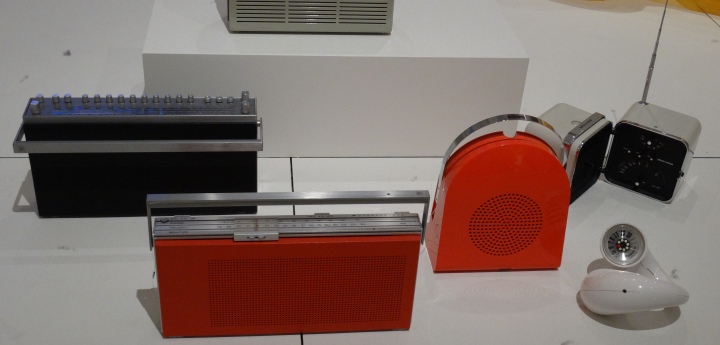
The Making Music Modern exhibition was held at MoMA from November 2014 to January 2016. Spanning a period from the early 20th century to the early 21st century, it focused on the ways in which music practices in the modern era – playing, composing, listening, distributing and visualizing – have been radically transformed and shaped through design innovations and technological development ever since the appearance of the phonograph. Interestingly, the exhibition was an initiative of MoMA’s department of Architecture and Design: its curator Juliet Kinchin considers music and sound to have always been a very important dimension of design, which, unfortunately, is often not written about or exhibited in museums.

 OBJECTS OF SOUND